
Play Gomoku Together
Play Gomoku Together on One Screen
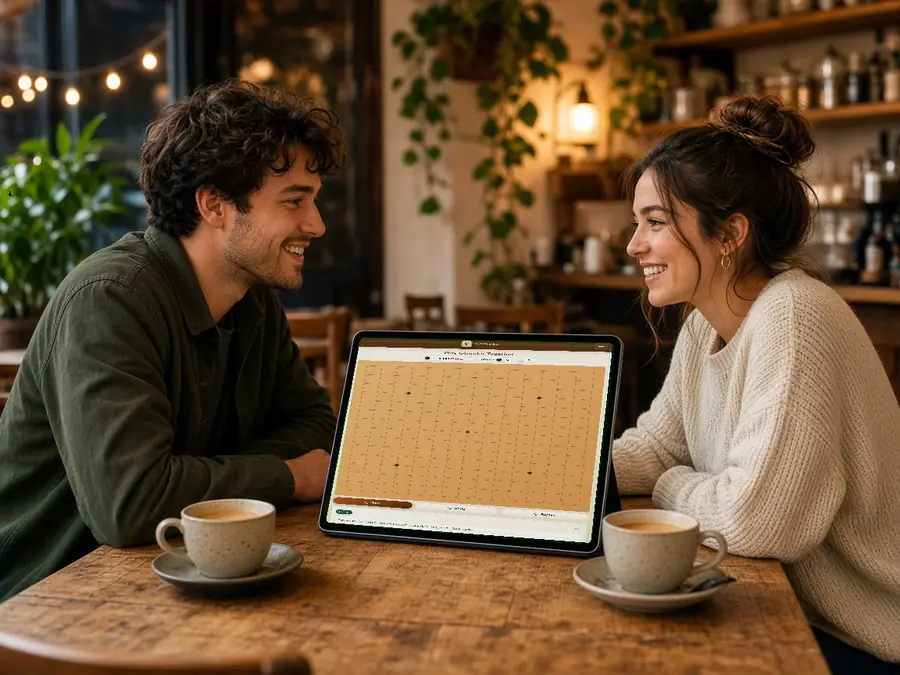
Local two-player mode turns a phone, tablet, or computer into a shared Gomoku board. Black moves first, and the players alternate placing stones on empty intersections. Freestyle is the default, so five or more wins; Settings can switch to exact five, where an overline does not. The site tracks the turn and move list, so once the page is open, you do not need an active internet connection, a second device, or a room code. Before the first move, agree on the win rule, takebacks, and hints, then keep those rules for the entire game.
Set the Ground Rules Before the First Move
Pick freestyle or exact five in Settings before the first stone, then decide whether takebacks and hints are allowed. For a serious game, agree that every move is final and that neither player will use hints. In a practice game, takebacks can help you return to a decision point and compare alternatives. Keep the device where both players can see it, and wait for the turn indicator to change before passing it over. That helps prevent accidental taps and confusion about whose turn it is.
Ask Them to Read the Shape Before They Move
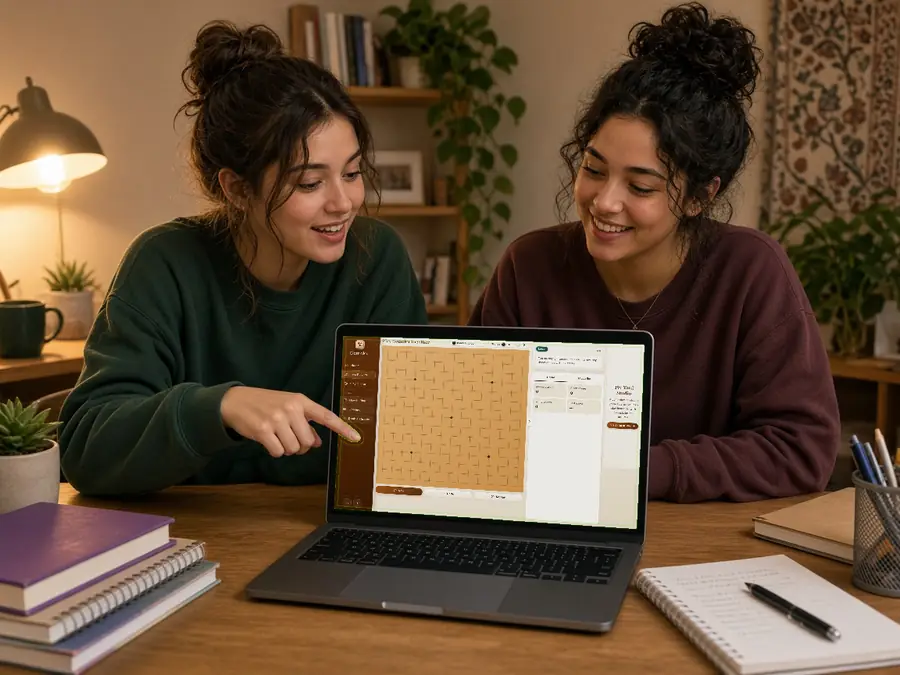
Do not place the stone for a new player. Ask them to identify the opponent’s strongest threat, then explain whether their candidate creates a closed three, open three, open four, or double threat. If you disagree, trace the horizontal, vertical, and two diagonal lines one by one. Explaining the idea before placing the stone turns a quick tap into a decision both players can review.
Give Each Game One Practice Goal
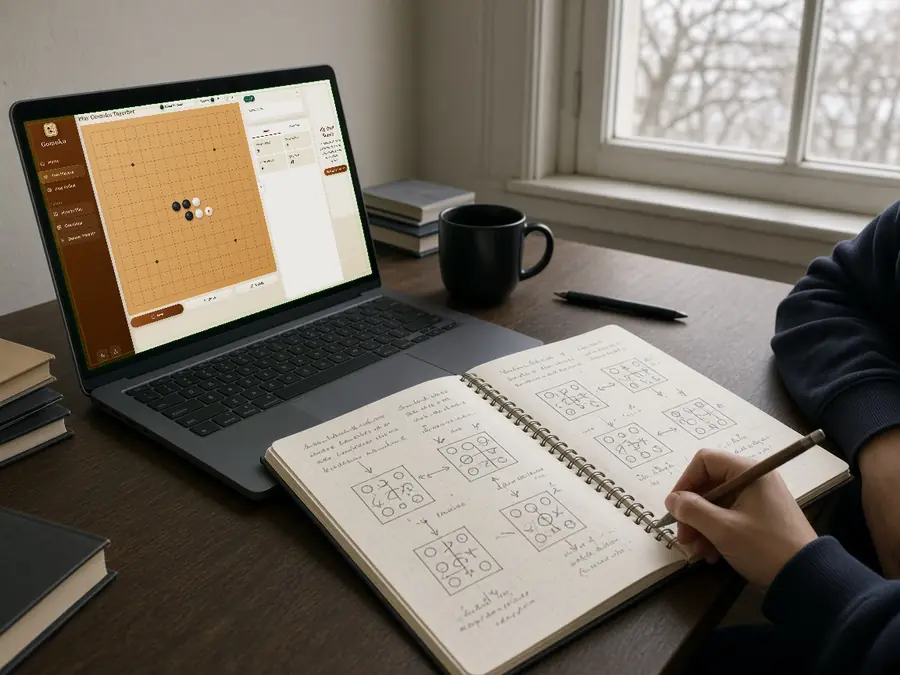
A teaching game does not need commentary after every move. Spend one full game looking for two possible directions before placing each stone, or focus only on open threes and double threats. Afterward, use the move list to revisit the critical sequence and find the first shared intersection you missed. Working on one type of decision at a time builds a more reliable habit than trying to memorize a stack of opening diagrams.
Common Questions
How do we pass the phone without playing the other person's stone?
The bar says Black to play or White to play. It never says your turn, and either of you can tap. After a stone goes down, wait until that label flips before you hand the device over. Another tap while the label is still the same color is the other player's move.
Can the person across the table open, or does Black always start?
Black always opens, and this page has no side to pick. Hand them the device while it still says Black to play. A new game starts with Black again.
If we change freestyle or exact five after stones are down, what happens to the game?
On an empty board the choice is saved in this browser. A new game on the home page picks it up, unless that page already has a game going; that game keeps the rule it was saved with. Once stones are on the board, changing the rule asks you to restart. Confirm, and the position is cleared. Undo cannot bring it back. Freestyle is the default: five or more wins in any direction, and there are no Renju forbidden moves. Exact five counts only a line of five. A longer row does not end the game.
The page talks about agreeing on hints. Where is that button?
There isn't one. Settings on this page only holds the win rule. Whether a hint is allowed is something you say out loud; the page will not block a tap. The engine's suggestion is on the home page, against the AI. When you are teaching, have the other person name the shape first: a closed three, an open three, an open four, or a double threat. Then they say where it goes.
Does Undo take back one stone, or a move from each of us?
One stone: the latest one, whoever played it, and it does not ask first. Against the AI, Undo also removes the reply. Here there is no reply, so one press removes one stone. If the other person has already played, two presses get you back to your own previous stone. For a serious game, agree that a stone stays once it is down. In practice, use it to return to the fork and try the other idea.
Will New wipe a game that is still going?
If nobody has played, or the game is already over, it starts at once. In the middle of a game it asks whether to start a new one. Confirming clears the position, and that cannot be undone. Cancel leaves the stones where they are.
If we refresh, or play the AI on the home page, is this game still here?
This page keeps its own game in the browser, separate from the AI game on the home page. Refresh it or open it again and you are back at the last position, including the win rule that game was using. Clear this site's data, or open it in another browser or on another device, and it is gone. No account is holding it.
When we are teaching, what should the other person look at before the stone goes down?
Don't place it for them. Have them point at the opponent's strongest threat, then say whether their own candidate makes a closed three, an open three, an open four, or two threats at once. If you disagree, walk the row, the file, and both diagonals separately instead of staring at the longest line. One game, one question. A whole game can be nothing but finding two directions that can still grow before you play. Afterward, stop Replay on the first stone you missed, not on the five that ended it. You can step through the list or jump to one move.
What if someone makes six, or the board fills with no winner?
The board is 15×15. When every intersection is taken and nobody has made the five this rule asks for, the page says the board is full and the game is a draw. Under freestyle, six or more wins on the stone that completed it, and the game ends there. Under exact five that longer row does not win. Play continues until there is a line of exactly five, or the board fills and the game is a draw.
Can the two of us agree a draw before the board is full?
Not on this page. There is no draw offer and no resign. To stop, use New. If you want the moves first, run Replay and then start again. The page only calls a draw when the board is full and nobody has made the five the rule requires.
